Stay warm wherever you are
Electric Heating
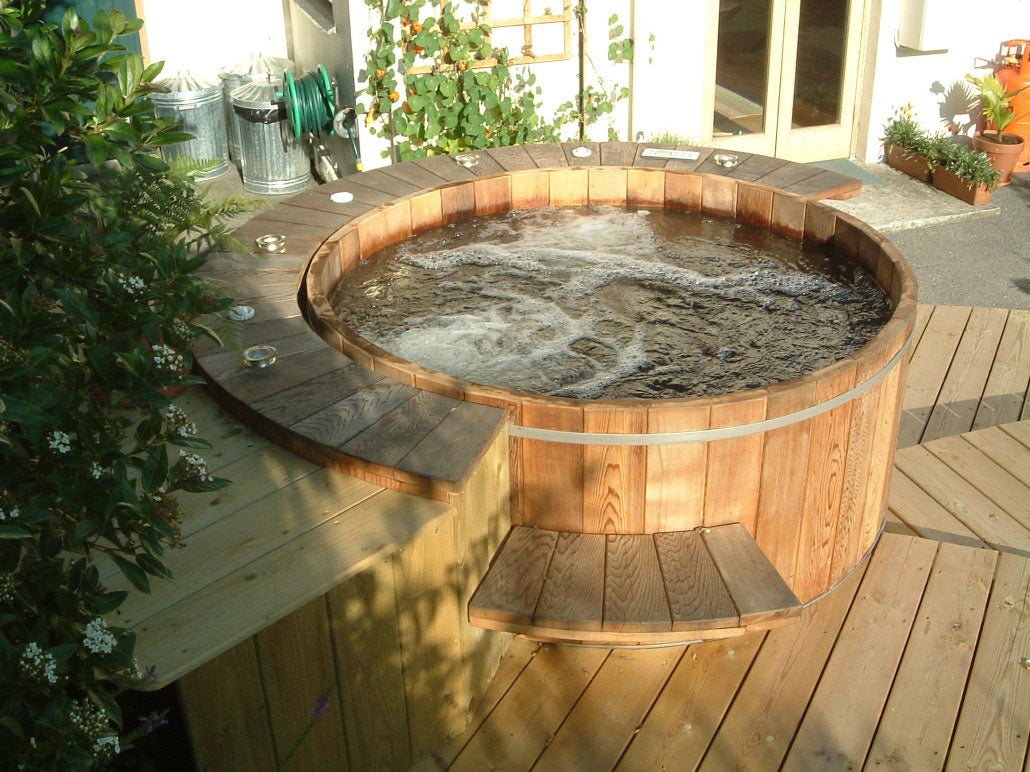
Electric is the default choice for most residential cedar hot tubs, and with good reason: it's the simplest system to live with. Set a temperature, maintain it 24/7, and step into a ready tub whenever you want — no fire, no wait, no fuel to load. For urban backyards, rooftop decks, and daily-use tubs, an electric hot tub heater is almost always the right call.
We offer electric hot tub heating systems from 4 kW to 11 kW, matched to your tub size and how quickly you want it to heat. The integrated spa pack handles temperature, circulation, filtration cycles, and freeze protection, with optional Wi-Fi for phone-based control.
For our 1–2 person cedar soaking tubs, a 120V plug-in option is available. This plug-and-play hot tub heater runs off a standard household outlet with no electrical work required, which makes it a practical choice where 240V service isn't available or isn't worth the install cost. Heat-up is slow — up to a day from a cold fill — but once at temperature the system maintains it reliably. The 120V option isn't suited to freezing climates or to high-turnover rental use.
Gas + Propane Heating
Gas is the fastest way to heat a cedar hot tub. A natural gas or propane hot tub heater delivers five to ten times the thermal output of a typical electric element, which translates to full cold-start heat-up in 2–3 hours for a 4–6 person tub — versus 12 hours or more on a standard electric system, and up to a full day on smaller electric setups. For short-turnaround use — rental properties, hospitality, cabins used on weekends — that speed is a real difference-maker. For a daily-use tub kept at temperature, heat-up speed matters less day to day, but it still matters every time you drain and refill or return from time away.
Operating cost depends on local rates. Where natural gas is already at the property, running a gas hot tub heater is usually cheaper than electric resistance heating. Propane is more expensive than natural gas but can still come out ahead in regions with high electricity rates.
We offer gas hot tub heating via Hayward and Jandy pool and spa heaters in natural gas or propane configurations. The Hayward H-series is our straightforward, manually-controlled option — the right choice where simplicity and serviceability matter more than automation. For installs where full automation is important — scheduling, remote control, integration with home automation systems — we recommend the Jandy JXi paired with an AquaLink controller. Gas is also the system we most often specify for high-end residential and hospitality projects where both speed and quiet, automated control are expected.
Things to plan for
A gas hot tub heater adds complexity that electric doesn't. The heater is a separate outdoor unit with its own footprint, and code requires clearances from operable windows, doors, and air intakes to keep combustion gases away from the building. Installation requires a licensed gas-fitter, a permitted gas line or properly sized propane tank, and a level pad within plumbing distance of the tub. Annual safety inspection and any gas-side repairs require a certified gas-fitter rather than a general electrician.
We supply the fittings at the tub and at the heating equipment; the gas piping between those two points is supplied and installed by your contractor. Professional installation is required, and your installer should confirm compliance with local codes and permitting for your jurisdiction.
Gas is the right call for larger cedar hot tubs, hospitality and commercial installs, cabin and vacation properties that sit cold between visits, cold climates where electric resistance heating gets expensive, and anyone who values fast heat-up. Where your property already has natural gas service, a gas hot tub heater is often the strongest overall choice.

Wood Fire Heating
There’s nothing quite like the ritual of building a fire to generate your own heat. A wood-burning stove is the fastest heating solution, bringing a 4-6 person hot tub up to temperature in just 2.5-3.5 hours, and reheating the next day with just a few pieces of wood in as little as 30 minutes.
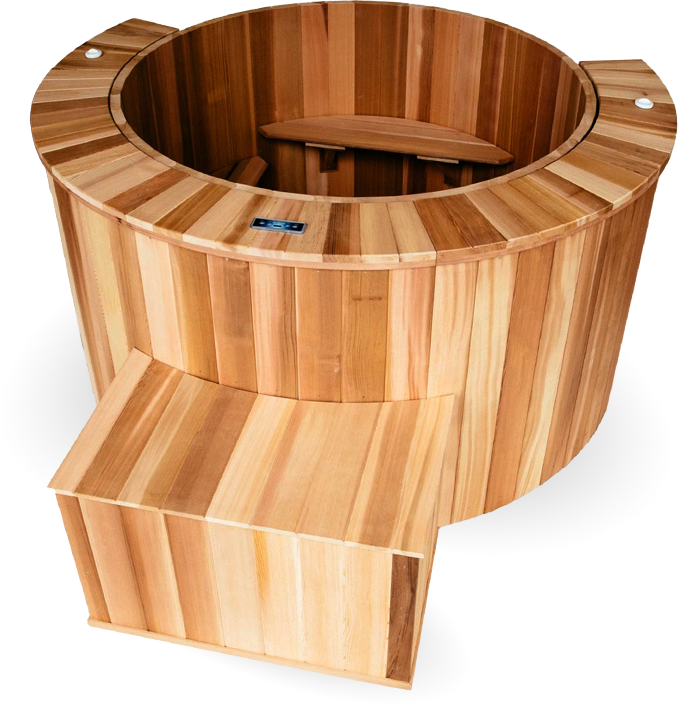
We offer submersible woodstoves for hot tubs, which provide rapid heating, high efficiency, and easy loading. These stoves are made from marine-grade aluminum, paired with a protective cedar fence to separate heated elements from the hot tub users.
Our Chofu woodstoves are ideal for 1-2 person soaker tubs, as well as for mid-sized hot tubs when extra space is desired. While not as speedy as submersible options, external stoves can be made more efficient with the addition of an electric pump for water circulation, or through manual stirring during the heating process.
For wood-fired saunas, we offer the Harvia Legend 150 wood stove. With a glass door for an ambient glow and a steel frame for rocks, the Harvia Legend provides the classic sauna experience.
Be sure to inquire about local restrictions on wood-burning appliances and use a certified fireplace installer to ensure your wood stove is installed safely.